

Choosing the right material is rarely a small decision. A product may look perfect on paper, yet perform very differently once it enters a real environment. Heat, moisture, movement, and daily use all play a role. That is why manufacturers often spend significant time comparing material options before production begins. Among the many choices available today, rubber-based and plastic-based extrusions continue to attract attention. Each offers distinct qualities that can influence durability, performance, appearance, and long-term reliability in precision-focused applications.

When Flexibility Takes Center Stage
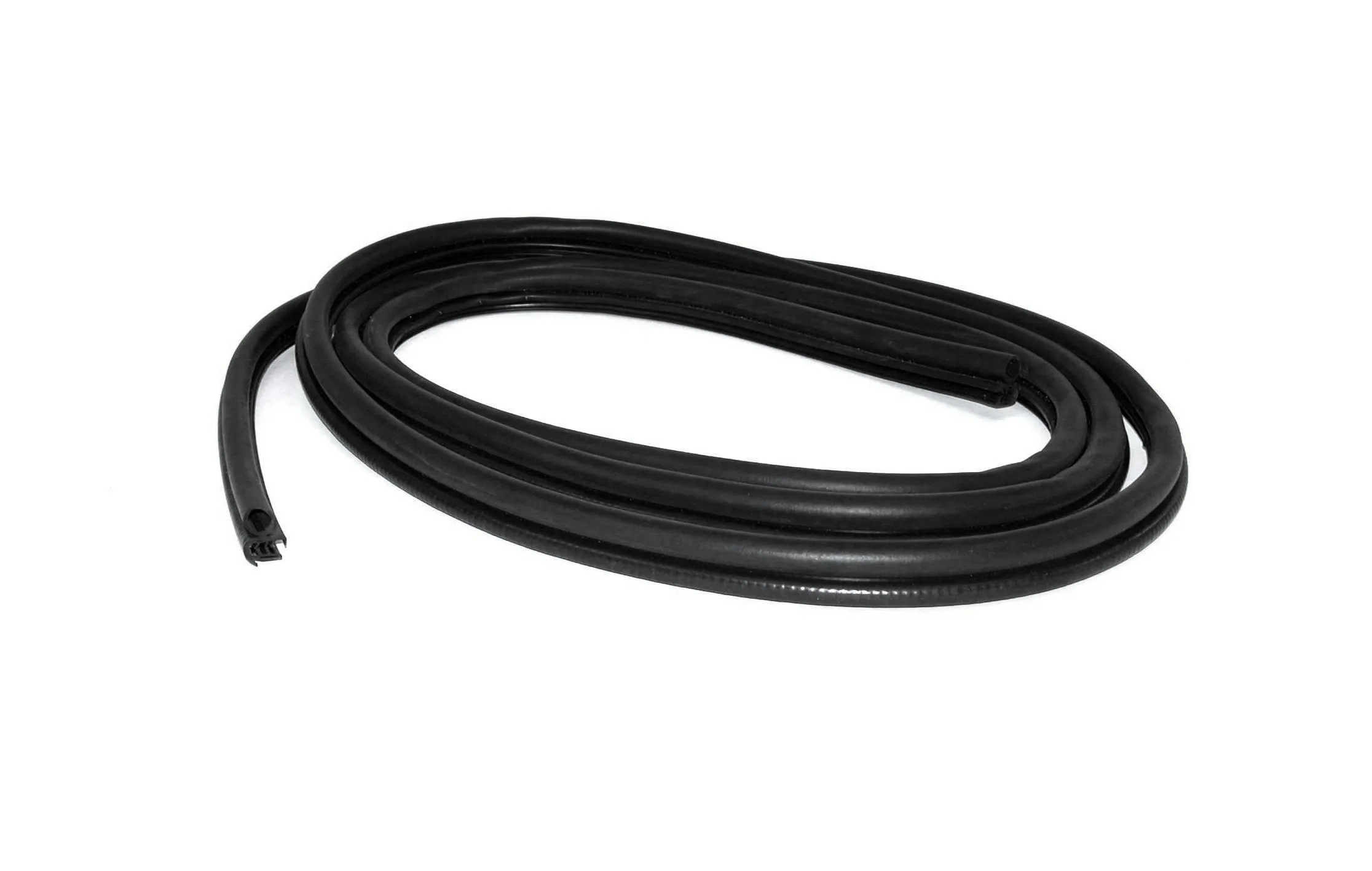
Certain applications require materials that can bend, compress, and recover without losing their shape. In these situations, EPDM Extrusions are frequently considered because they provide flexibility while maintaining dependable performance. They are often selected for sealing purposes, vibration reduction, and protection against environmental exposure. Their ability to adapt to movement makes them useful in industries where parts must continue performing despite changing conditions. Designers often appreciate how these materials support reliable operation while helping maintain consistency throughout the life of the finished product.
The Appeal Of Rigid And Stable Designs
Not every project benefits from flexibility. Some products demand structure, dimensional stability, and a firm profile. This is where ABS Extrusions often become an attractive solution. Their rigid nature helps maintain precise shapes and clean lines, which can be important for components that require a polished appearance or consistent dimensions. Many manufacturers value their balance between strength and workability. These characteristics make them suitable for applications where maintaining form is just as important as delivering dependable performance under everyday operating conditions.
Looking Beyond Material Labels
Product selection becomes easier when attention shifts from material names to actual application requirements. Environmental conditions, mechanical demands, and expected service life all deserve careful consideration. A material that performs exceptionally well in one setting may be less suitable elsewhere. Successful engineering decisions often come from understanding how a product will be used rather than focusing only on specifications. This practical approach helps reduce costly adjustments later and supports better performance throughout the manufacturing process. Real-world conditions usually provide the most valuable guidance.
Small Details Shape Big Outcomes
Precision applications often depend on factors that seem minor during initial planning. A slight difference in flexibility, surface quality, or structural stability can affect overall performance. Components must fit properly, function consistently, and maintain their intended purpose over time. Engineers and designers frequently evaluate multiple options before making a final decision because even small variations can influence long-term results. Paying attention to these details early in development helps create products that meet expectations while reducing the likelihood of future performance challenges.
Finding The Best Match For The Job
There is rarely a universal answer when comparing materials. Different industries, products, and operating environments create unique demands. Some projects benefit from adaptability and resilience, while others prioritize rigidity and dimensional consistency. The most effective choice comes from matching material characteristics to performance goals. When manufacturers take the time to evaluate requirements carefully, they improve the chances of producing reliable and efficient products. Precision is not only about measurements. It is also about selecting materials that support the intended outcome from start to finish.
Conclusion
Material selection remains one of the most important decisions in product development. Understanding the strengths of different extrusion options helps manufacturers create solutions that perform reliably in demanding environments. Careful evaluation of project requirements can improve efficiency, durability, and long-term value. Businesses seeking high-quality extrusion expertise and dependable manufacturing solutions can explore capabilities that support performance, precision, and a wide range of industrial applications.